Prevention & first response
Sump Pump Failure After Heavy Rain: What to Do First
The storm that fills your sump pit is usually the same storm that knocks out power, clogs the discharge line or finds the float stuck. Here is how to respond without making the damage worse.
- In-depth guide
- Updated November 24, 2026
- South Dakota specific
- Free to read
- 24/7 Live Answer
- Same-Day Response
- Insurance Documentation Help
- Local South Dakota Crews
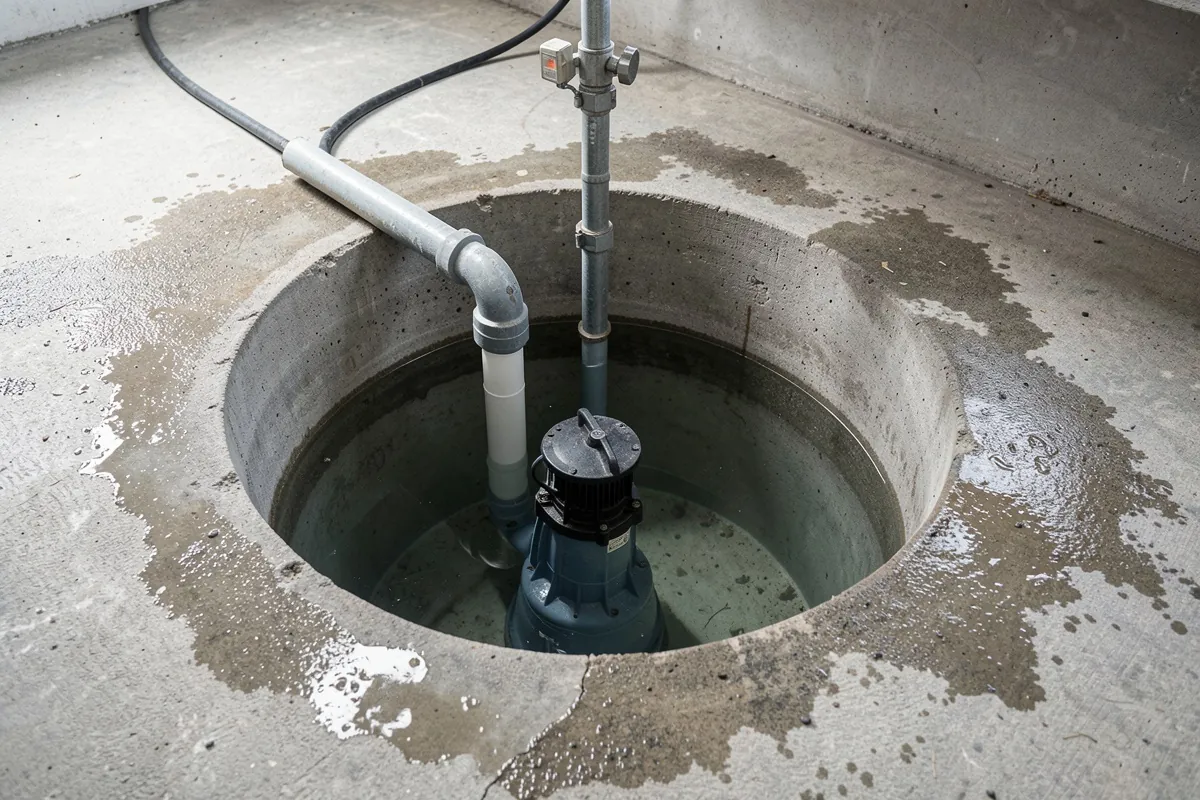
- Most sump failures are predictable: a stuck float, a blocked discharge line, a dead battery or a pump that was already undersized.
- If your basement is filling, stay out of standing water near outlets and call for help before you start moving equipment.
- Extraction plus controlled drying matters more than a shop vac. Wet framing and insulation can stay damp long after the floor looks dry.
- Test the pump before storm season, keep the pit clean, and confirm whether your insurance policy includes a water-backup endorsement.
A sump pump has one job, and it usually gets tested on the worst night of the year: a slow-moving thunderstorm, a rapid spring thaw, or a week of rain on ground that is already saturated. When the pump quits, water does not wait for a convenient time to be discovered. It spreads across the floor, soaks the bottom of drywall, climbs into carpet pad and finds the stored boxes you meant to move.
The good news is that sump systems fail in a handful of predictable ways. If you understand those failure points, you can often restore pumping quickly, protect the structure, and avoid turning a wet floor into a mold job. This guide covers what to check first, how to dry a South Dakota basement safely, and when to stop troubleshooting and call a local crew.

Why sump pumps fail during heavy rain
1. The power goes out
Storms that deliver the most water often knock out power. A standard sump pump stops the moment the circuit dies, even if the pit is still filling. If your neighborhood loses electricity during every big rain, a battery backup or a small inverter system is not an luxury — it is the difference between a damp floor and a finished basement loss.
2. The float is stuck
The float switch tells the pump when to run. Debris, a tangled cord, a buildup of silt or a float that rubs against the pit wall can leave the pump sitting idle while water rises. A float that is stuck in the “on” position can also burn out a motor by running dry. Test the float by lifting it manually before storm season and again mid-summer.
3. The intake is clogged
A sump pit collects sand, gravel, shingle grit and debris washed in from the drain tiles. A clogged intake screen or a pump sitting in thick sludge moves far less water than its rating suggests. If the pump hums but the water level barely drops, shut it off and check the intake before it overheats.
4. The discharge line is blocked, frozen or buried
The pump can only move water as fast as the pipe lets it out. A discharge hose that is kinked, frozen at the exterior wall, buried under snow or clogged with ice will cause the pump to cycle constantly or shut off on overload. In South Dakota, a line that worked in October can be a solid ice plug in January. Check the exterior termination point and keep it clear.
5. The check valve failed
The check valve keeps water from draining back into the pit after each cycle. When it sticks open, the pump re-pumps the same water, runs longer and never gets ahead of the inflow. When it sticks closed, the pump may run but move nothing. A failed check valve is a common reason a pump “runs all night” and the basement still floods.
6. The pump is undersized or simply old
Most residential pumps are rated for a certain flow at a certain lift height. A pump that was adequate for a shallow pit and a short discharge may struggle when the discharge run is long or the inflow is higher than usual. Motors also wear out. A pump that is ten or fifteen years old has already outlived much of its expected service life.
Basement taking on water now?
Stay out of standing water near outlets and call for local dispatch. Describe the water depth, the source and whether the power is affected.
Call (888) 217-0216The first 30 minutes
Your priorities are safety, stopping more water from entering, and documenting what is already wet. Do not start with the shop vac.
- Keep people out of electrically risky water. If water is near outlets, cords, a furnace or the electrical panel, do not wade in. Shut off power at the breaker only if you can reach the panel without touching water.
- Stop the source if it is safe. If a supply line or appliance is feeding the water, close the fixture valve or the main. If the water is groundwater or a sewer backup, there may be no valve to close — call and describe it.
- Move valuables up and out. Lift rugs, cardboard boxes, electronics and documents off the floor. Put furniture legs on foil or blocks to limit wicking.
- Photograph before you move much. Take wide photos of each room from the doorway, then close-ups of the water line, the sump pit and any damaged items. Note the time you found the water.
- Call for extraction and drying. A wet/dry vac can handle a small puddle, but it will not dry framing, insulation or carpet pad. Call (888) 217-0216 for local dispatch.
What not to do
- Do not run extension cords into a wet basement. Use battery-powered lighting and keep generators outdoors, away from windows and doors.
- Do not use a household shop vac on sewage water. Contaminated water needs protective equipment and proper disposal.
- Do not wait until morning. Mold can begin growing within 24 to 48 hours on damp drywall, carpet and framing. The earlier water is removed, the more material can be saved.
- Do not drill weep holes in drywall unless a restoration technician directs it. The wrong opening can spread water into a cavity that was otherwise dry.
- Do not run a generator or fuel-powered pump indoors. Carbon monoxide kills quickly in a basement.
How to dry a basement after a pump failure
Drying is not the same as removing visible water. Concrete, baseboards, bottom plates, insulation and stored contents all hold moisture. The goal is to return the structure to a stable reading, not just a dry-looking floor.
Extract standing water first
Pumps and extractors remove the bulk of the water. A wet/dry vac is useful for small areas and edges, but it is slow on a large volume. If the water is contaminated, stop and call a crew — the cleanup protocol is different.
Remove materials that cannot dry
Cardboard, paper, soaked carpet pad and some rugs are often not salvageable. Carpet itself may be restorable if it is clean water and can be dried quickly, but pad usually has to go. Ask the provider to document what is removed before it leaves the house.
Move air and control humidity
Air movers alone can spread moisture around. Drying works best with air movement plus dehumidification, and sometimes with heat, depending on the temperature. Opening a window in a humid summer rainstorm can make the problem worse. In winter, do not shut off heat to a wet basement — keep the space above freezing while equipment runs.
Check hidden cavities
Moisture meters should be used on drywall, baseboards, bottom plates and any wood framing that was wet. A finished basement with insulation behind drywall can look dry on the surface while the cavity stays damp. If readings stay high, controlled removal of a lower strip may be faster and cheaper than days of ineffective drying.
Watch the mold window
Mold can begin growing within 24 to 48 hours on damp materials. If the basement was wet for more than a day, or if there is a musty odor, ask the provider to check for mold during the assessment. Do not paint over or seal a damp wall to hide the smell.
Prevent the next failure
Most of this list takes less than an hour and can be done before the next storm.
- Test the float every season. Pour water into the pit or lift the float by hand. The pump should start, move water and shut off cleanly.
- Clean the pit and intake. Remove silt, gravel and debris. Make sure the pump sits on a solid base, not in sludge.
- Check the discharge line. Confirm it slopes away from the house, is not buried under snow, and does not terminate next to the foundation. Water that dumps beside the wall can find its way right back in.
- Install a battery backup or alarm. A high-water alarm is inexpensive and gives you time to act. A battery backup keeps pumping during an outage.
- Fix grading and gutters. Roof runoff and soil slope matter as much as the pump. See our gutter and foundation guide.
- Know the age of the pump. Replace a tired pump before it fails, especially if it runs frequently or has visible rust.
Insurance and documentation
Sump-pump overflow and sewer backup are often excluded from a standard homeowners policy unless you carry a water-backup endorsement. Coverage and limits vary, so check your policy before storm season rather than after. If you do have coverage, documentation matters: photos of the water line, the failed pump, damaged contents, and the drying equipment log all support the claim.
Keep receipts for any temporary pumping, tarps or emergency repairs. Do not throw away damaged items until your insurer has seen them or explicitly permits disposal. For a broader walkthrough, read does homeowners insurance cover water damage.
When to call a crew
Call for help if water is still rising, if the basement is finished, if sewage is involved, if the power is affected, or if the wet area is larger than a small puddle. A local crew can extract water, set drying equipment, check hidden moisture and document the loss. If the pump failure happened in Sioux Falls, Rapid City or another South Dakota community, dispatch can confirm the next available window.
For the service side, see basement water damage and emergency water extraction. If the water sat for more than a couple of days, also read how fast mold grows after water damage.
Quick questions
Can I just use a shop vac and a fan?
For a small, clean spill on an unfinished floor, a wet/dry vac and air movement may be enough. For a flooded finished basement, a shop vac will not reach water trapped in carpet pad, baseboards or wall cavities. Meters decide when drying is complete.
Should I open basement windows to dry it out?
Only if outdoor air is genuinely drier and temperatures allow. In humid summer weather or during rain, open windows can add moisture. Mechanical dehumidification is more reliable.
Will insurance cover a failed sump pump?
It depends on your policy. Sump overflow and backup are commonly excluded unless you have a water-backup endorsement. Call your insurer, confirm the limit, and document the loss before cleanup removes evidence.
Pump failed and the floor is wet?
Call for extraction, drying and documentation before mold has a chance to take hold.
Call (888) 217-0216Written by the South Dakota Water Damage Pros editorial team using local restoration and insurance-claim experience. This is general information, not legal, engineering or insurance advice. Confirm coverage and code requirements with your own professionals.
Keep reading
Related guides
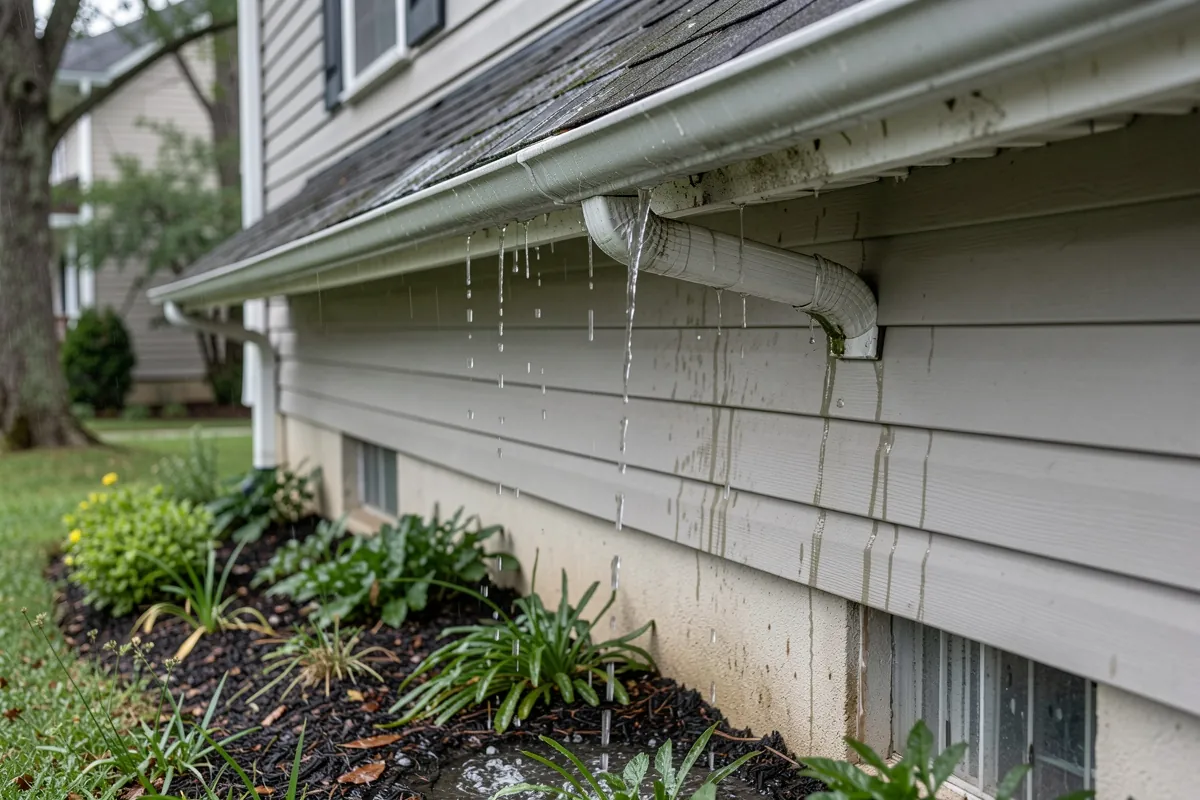
Clogged Gutters and Foundation Water
Where roof runoff goes when gutters overflow, and the grading fixes that keep it out.

Mold After Water Damage: How Fast It Grows
Why the 24–48 hour window matters and how verified drying prevents regrowth.
What to Do in the First Hour
Safety, shutoffs and the containment moves that limit damage.

Water damage right now?
One call connects you with an available local South Dakota crew.